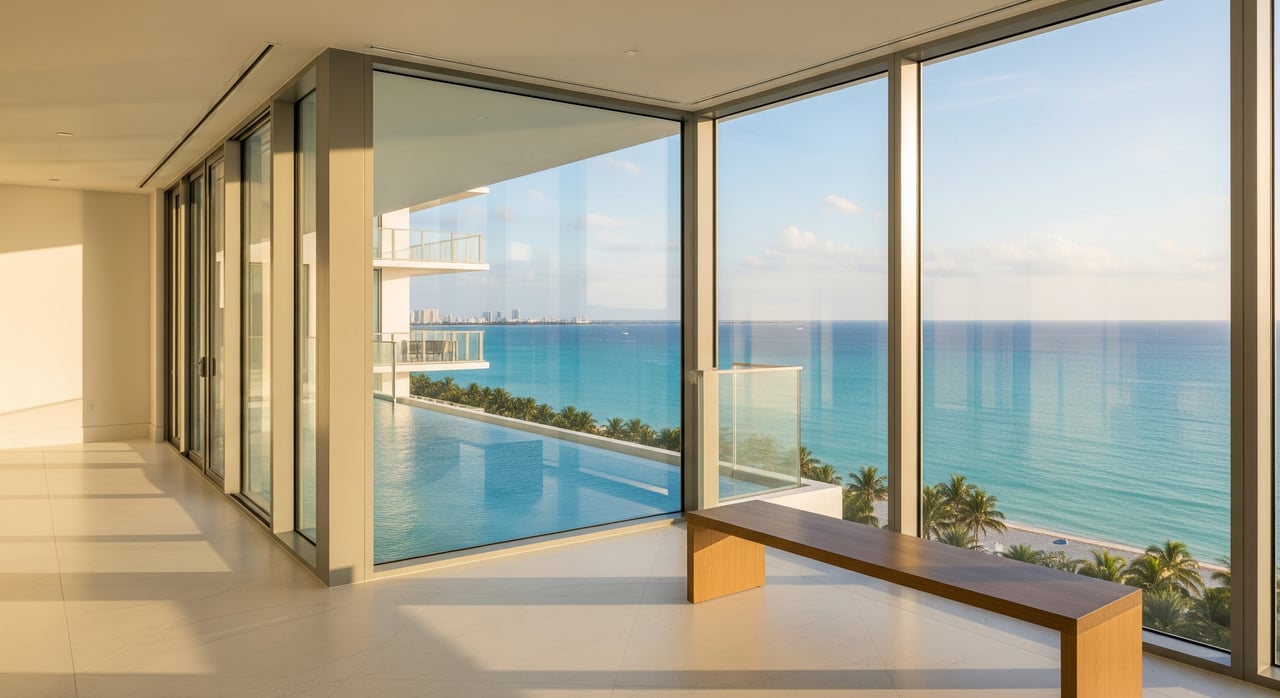
Bal Harbour Condo Lines, Exposures & View Premiums
December 18, 2025
December 18, 2025
Are you comparing two Bal Harbour condos with the same floor plan but very different prices? You are not alone. In this market, the building “line” and exposure can swing value, comfort, and days on market more than many buyers expect. In this guide, you will learn how stacks work, how views and sunlight change by exposure and floor, and how those factors influence pricing and liquidity in Bal Harbour. Let’s dive in.
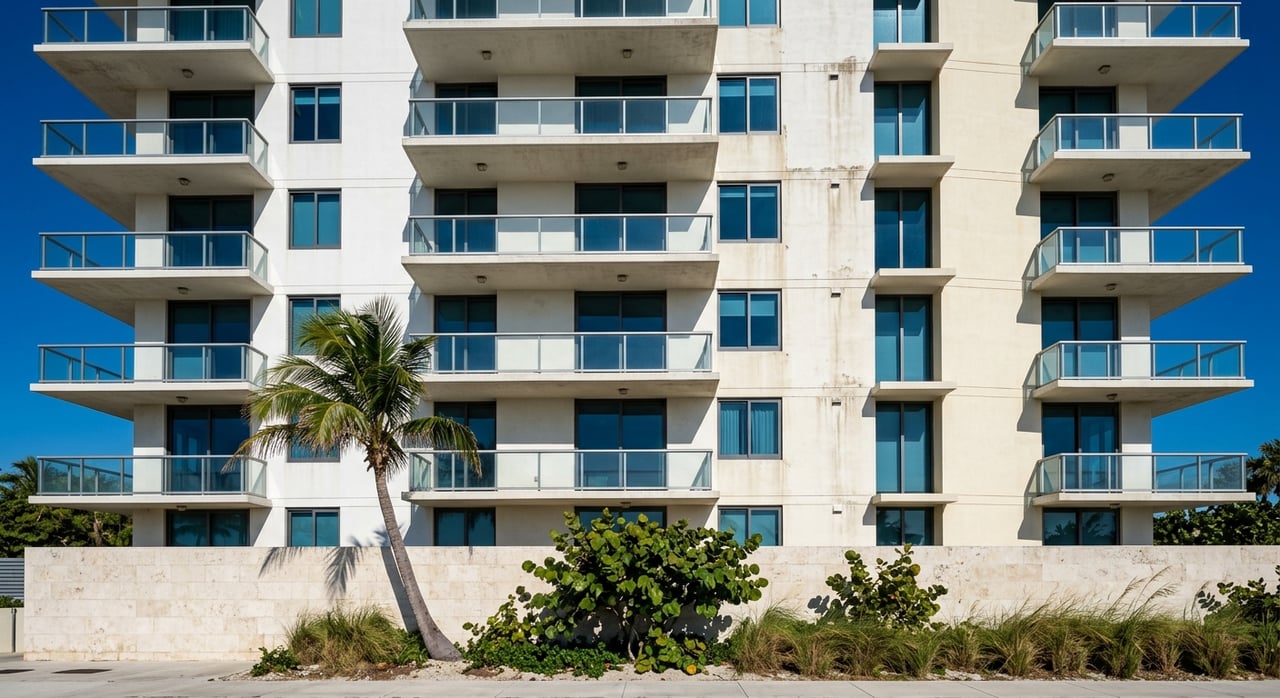
A building “line” or “stack” is a column of units with the same position and floor plan on each level. For example, the 05 line typically refers to unit 05 on every floor. In Bal Harbour, where many buildings repeat floor plates, understanding lines helps you predict exposure, views, and how a unit will live day to day.
Bal Harbour’s coastline runs roughly north to south. The Atlantic Ocean is to the east, and Biscayne Bay and the mainland are to the west. That makes exposure a key driver of what you see, the quality of light you get, and how your home feels across the day. Corner units, which have two exposures, often command a premium because they offer more view angles and windows.
Because Bal Harbour is small and high end, prime exposures with unobstructed water views can attract concentrated demand. Inventory within each building is limited, so view differences inside the same stack or between neighboring stacks can have an outsized impact on pricing and days on market.
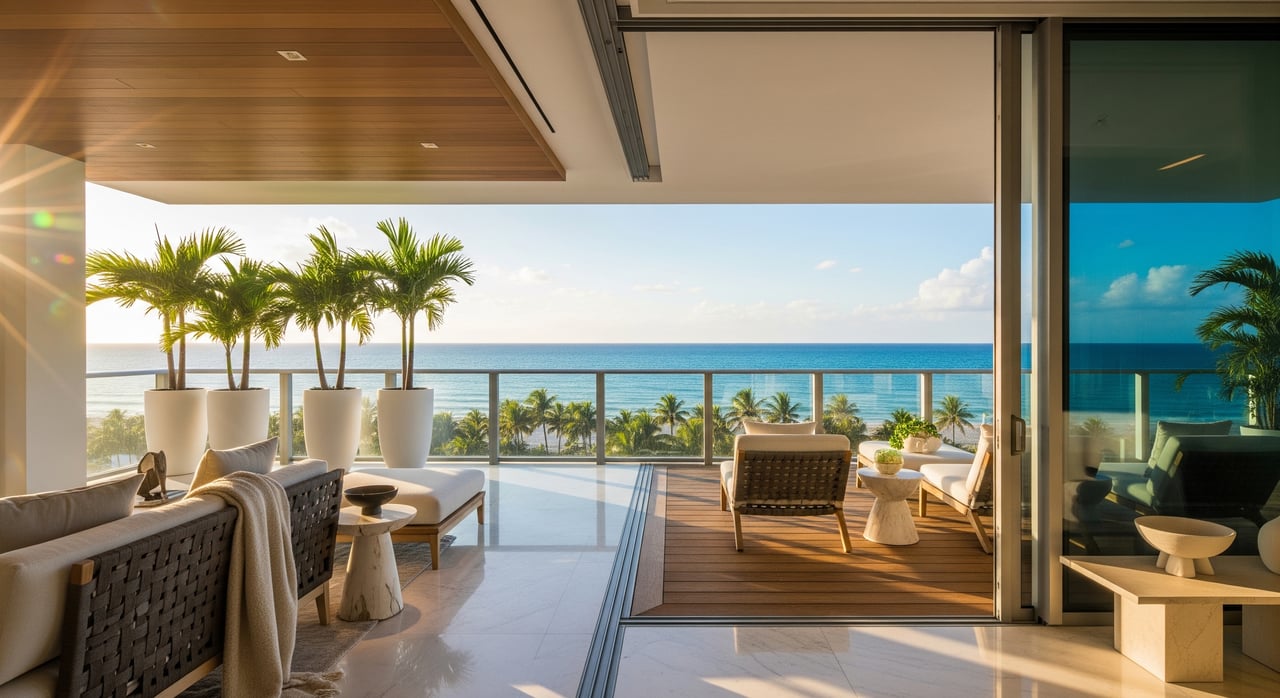
East-facing stacks typically look toward the Atlantic. You get morning sun, cooler afternoons, and the sunrise light that many buyers want. These exposures often deliver the clearest ocean vistas when combined with the right floor height.
Southeast and south exposures often offer sweeping coastline views and steady daylight for a large portion of the day. If you like long, diagonal shoreline panoramas and a bright interior, this orientation can be compelling.
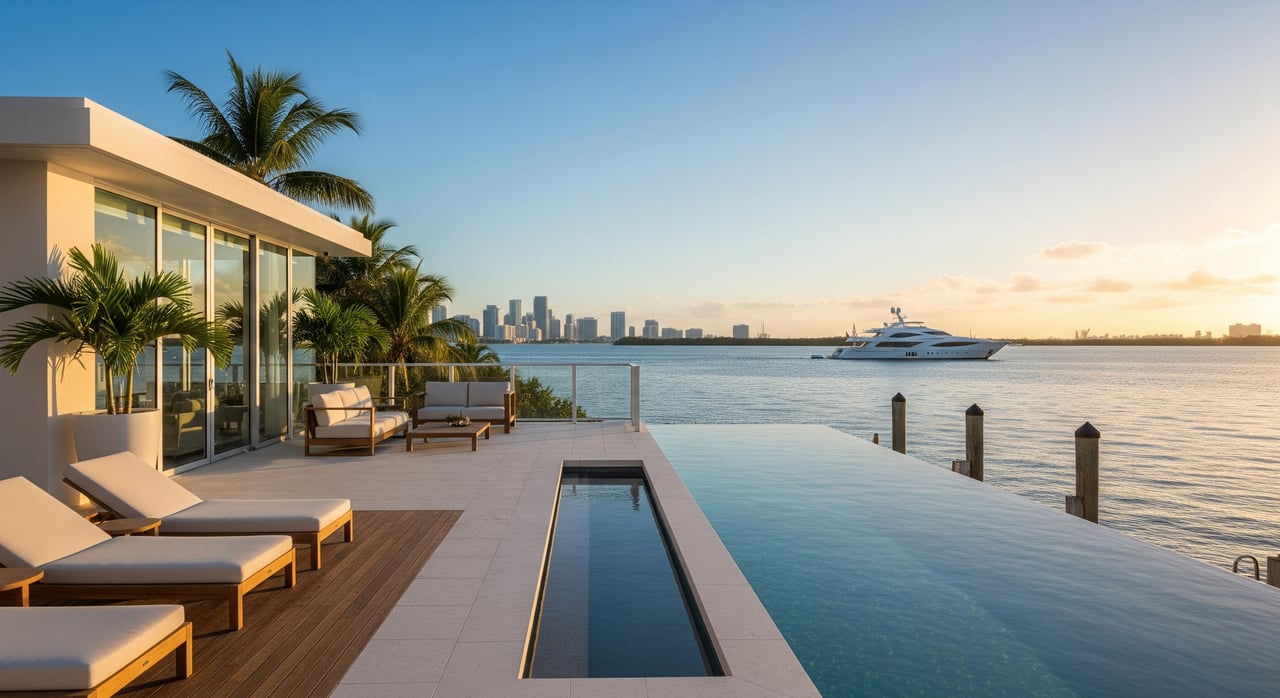
West-facing stacks typically look over the Intracoastal, Biscayne Bay, or the mainland skyline. Expect afternoon sun and sunsets. In summer, west can run warmer, so glazing, window coverings, and HVAC capacity matter for comfort.
Even small angle shifts can change whether you see open ocean, a neighboring building, or a stretch of coastline. Always confirm the exact compass orientation and sightlines for the specific line and floor you are considering.
Floor height changes everything. In oceanfront buildings, lower floors may see partial water or rooflines, while higher floors transition to full, unobstructed ocean views. Higher floors also reduce street noise and foreground obstructions.
Mid-floor and high-floor labels vary by building, so compare units within the same property when possible. Look at sightlines from the primary living areas, not just the balcony. A great room or primary bedroom with a view usually drives more value than a kitchen or secondary bedroom with the same view.
Balcony depth, window size, and floor-to-ceiling glass can greatly amplify or diminish the impact of a view. Building placement on the lot also matters. Rear stacks may face courtyards, parking areas, or parcels that could be developed later, which affects view permanence and pricing.
Several factors shape price: view type and quality, floor level, corner vs interior position, square footage, renovation level, parking or storage, and building amenities. Among these, view quality often ranks near the top in Bal Harbour’s luxury condo set.
Unobstructed ocean views tend to command the largest premiums relative to similar interior units. Partial water views carry moderate premiums, while bay or skyline views often have modest premiums. Courtyard or blocked views typically see little premium and may price at a discount. The exact premium varies by building, floor, and timing.
View permanence matters. Exposure that is unlikely to be blocked in the future is typically more valuable than a view facing a parcel that may be built up later. Interior condition interacts with view value too. Many buyers will pay more for move-in ready finishes paired with a top-tier view.
Prime exposures often sell faster than interior or blocked views in Bal Harbour’s luxury segment. That said, overpricing a view beyond what the market will bear can stretch days on market. Seasonality also plays a role. Activity typically increases in the winter months, and exposure preferences can become more pronounced when out-of-market buyers are active.
For investors, premier views commonly support stronger rental demand and rates where rentals are allowed. Always confirm the building’s rental rules and any applicable restrictions that could affect holding strategy or revenue.
When enough sold data exists within the same building, group sales by exposure or line and calculate the median price per square foot for each group. Compare each group’s median to the building-wide median to see relative premiums. Then account for condition, parking, storage, and any meaningful differences in amenities. Track days on market by exposure to understand liquidity. Always document the time window for comps and consider market movement between sale dates.
This approach is most reliable when you have multiple recent same-building sales by stack and floor band. If building-level samples are thin, expand to neighboring buildings with care and note all differences in age, amenity level, and location.
In a compact, luxury market like Bal Harbour, exposure and line can define your result. East and southeast stacks often capture the ocean drama and morning light many buyers want. West stacks can deliver inspiring sunset and skyline views, with added attention to temperature control. Higher floors usually extend sightlines and reduce noise. Across the board, view permanence, correct pricing, and clear positioning make a measurable difference in both value and speed to contract.
If you want a data-backed read on view premiums in a specific building or line, a same-building comp analysis is the gold standard. Pair that with smart due diligence on permits and condo rules, and you will make a confident, value-focused decision.
Ready to compare stacks, price a listing, or evaluate a view premium with real numbers? Connect with Maximiliano Ricca for bilingual buyer and seller representation, investment and pre-construction guidance, and concierge property management across Bal Harbour and the North Miami coast.
Get assistance in determining current property value, crafting a competitive offer, writing and negotiating a contract, and much more. Contact me today.