Brickell vs Bal Harbour Condos: Find Your Ideal Fit
January 15, 2026
January 15, 2026
Are you torn between skyline energy and beachfront calm? If you are comparing Brickell and Bal Harbour, you are really deciding how you want to live day to day and how you want your condo to perform over time. In this guide, you will see how each area feels, what typically drives ongoing costs like HOA fees and insurance, how rental rules vary, and what to verify before you buy. Let’s dive in.
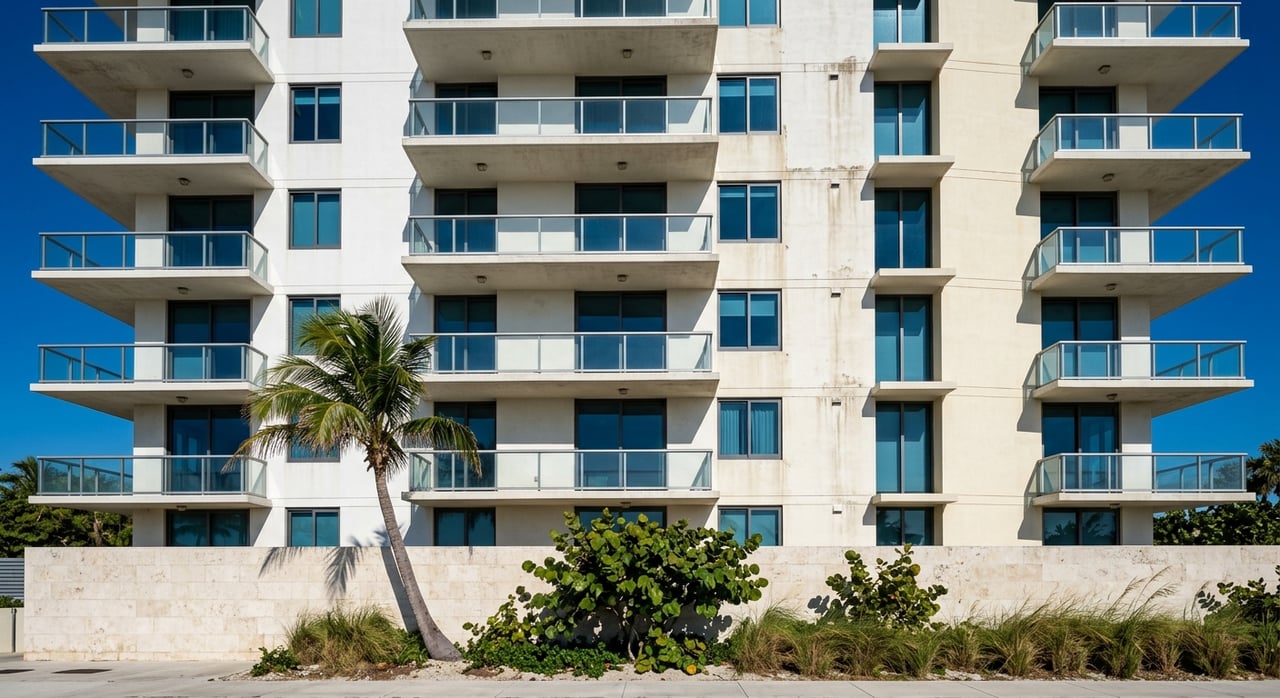
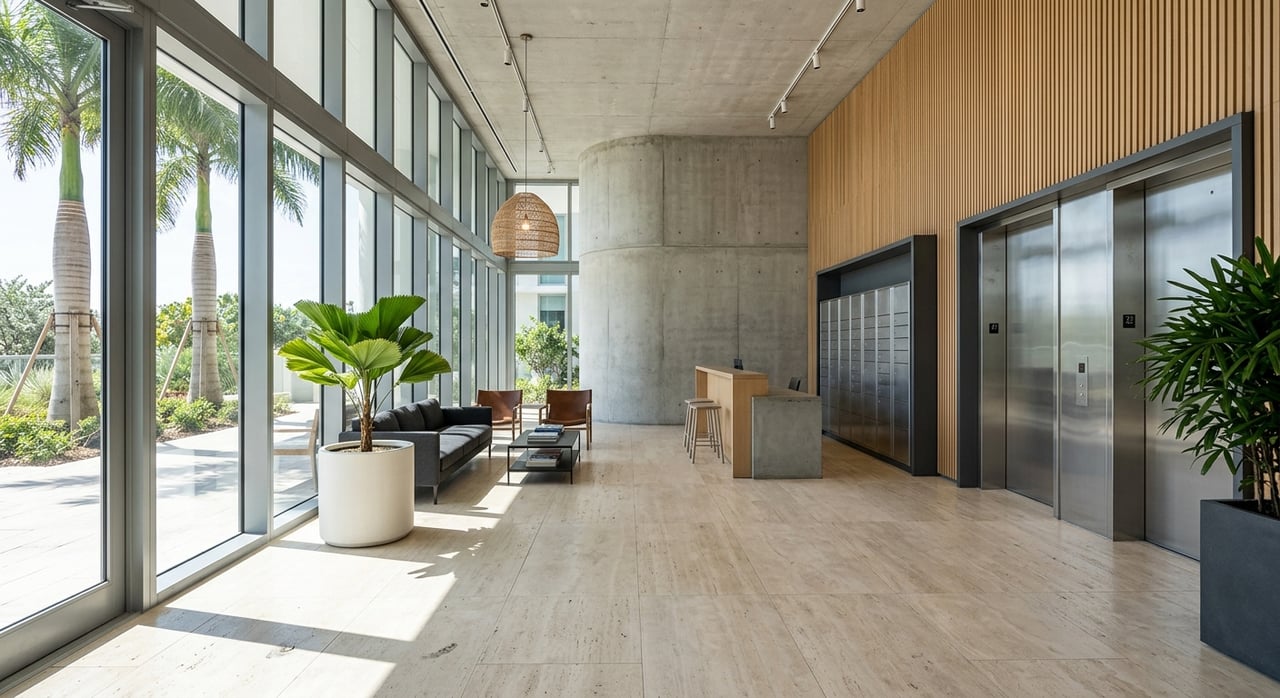
Brickell is Miami’s financial district turned residential hub, with dense high rises, busy sidewalks, and a deep bench of restaurants, cafes and shops along Brickell Avenue and Mary Brickell Village. Most buildings are large towers with amenity sets that often include rooftop pools, staffed lobbies, gyms and co‑working spaces. Many towers are newer, built within the last decade or two, and attract professionals, couples, and downsizers who want walkability and transit. You will feel weekday buzz tied to offices, plus nightlife that runs late in some corridors.
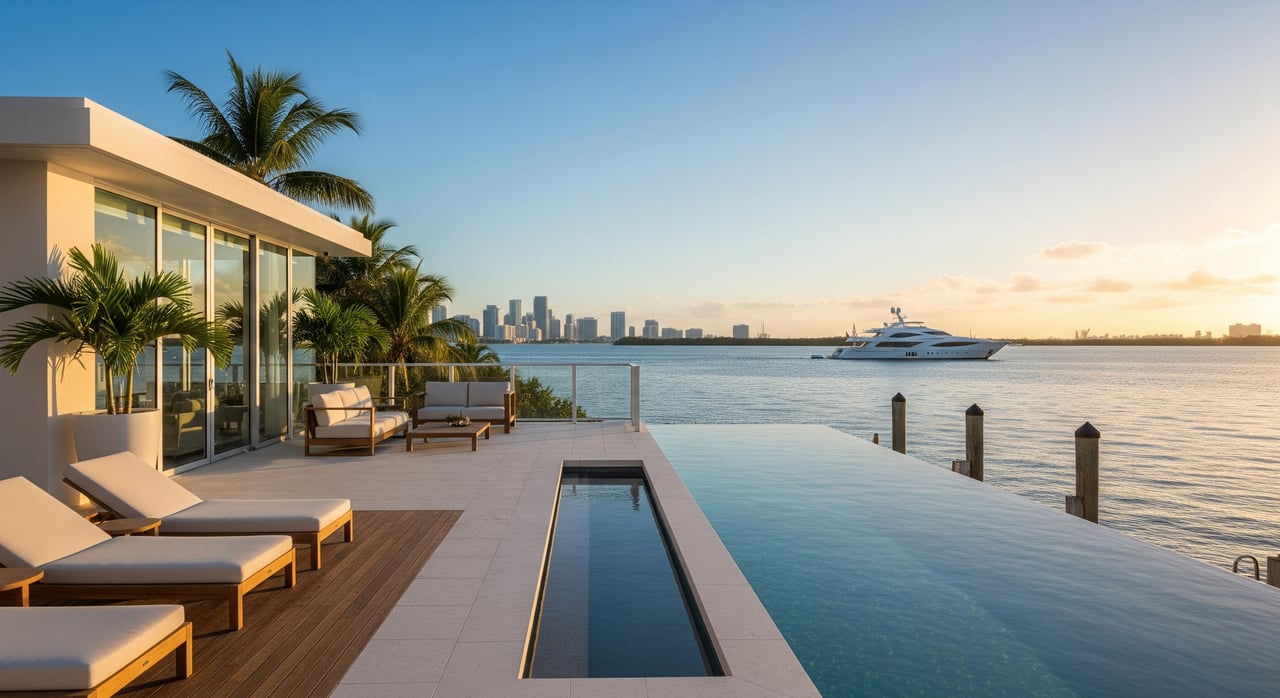
Bal Harbour is a low to moderate density oceanfront village that prioritizes beach access, privacy and resort‑style living. Buildings often have larger floor plans, fewer units per floor, and private or semi‑private beach amenities. The neighborhood draws affluent second‑home owners, seasonal residents and luxury buyers seeking a quieter pace. Bal Harbour Shops anchors the retail scene with high‑end boutiques and restaurants, while overall nightlife is more subdued.
Bal Harbour sits in the luxury oceanfront segment, so median prices and price per square foot often trend higher than Brickell. Brickell offers a broader range, including many entry‑level condos as well as high‑amenity towers at premium prices. Since Miami markets shift quickly, pull current neighborhood data from the local MLS or recent broker reports before setting expectations for your shortlist.
Monthly condo dues vary by building and are shaped by age, amenities, staffing, insurance costs and how many owners share expenses. Beachfront buildings in Bal Harbour commonly carry higher dues because of private beach services, resort‑style amenities and higher insurance. Brickell fees range widely, and some newer towers spread costs across more units, though extensive amenities and staffing can still push fees up.
Post‑2021, condo associations across the region have increased attention on reserve studies, structural inspections and capital plans. Expect adjusted fees where buildings are replenishing reserves or completing structural work. Always request the HOA budget, latest reserve study, and any planned assessments before you commit.
Property taxes are county based in Miami‑Dade. Florida’s homestead exemption can reduce the taxable value for your primary residence if you qualify. Second homes and investment properties do not receive homestead benefits, which affects your net carrying cost. Your advisor can help you model scenarios for a primary home versus a second home.
Bal Harbour buildings sit directly on the Atlantic, so wind and flood exposure usually increase premiums and deductibles. Brickell properties face hurricane and wind risk as well, with Biscayne Bay proximity but no oceanfront beaches. Florida’s insurance market has tightened in recent years, and carriers have adjusted pricing and coverage. Obtain unit‑specific quotes for windstorm and flood, and review the building’s master policy, coverages and deductibles before you finalize a budget.
Each condo has its own rental policy. Many luxury oceanfront buildings limit short‑term leases or set minimum terms to preserve a quiet residential feel. Brickell buildings often allow rentals with building‑specific caps and minimums. If you are investing, match your strategy to the tenant pool. Brickell traditionally supports steady long‑term demand from professionals and transplants. Bal Harbour can command premium seasonal rates in luxury properties, although tighter rental rules may limit flexibility. Verify minimum lease terms, caps and any waiting periods with the condo documents.
Brickell delivers dense convenience. You can walk to coffee, gyms, grocery options like national chains, casual dining and late‑night spots. If you thrive on variety and you want errands on foot, Brickell fits. Bal Harbour offers a smaller everyday footprint and a refined shopping experience centered at Bal Harbour Shops. It is ideal if you want upscale dining and shopping within a calm beach community.
Brickell is lively, with vehicle and pedestrian traffic, city sounds and nightlife near certain corridors. Choose this if you enjoy an urban rhythm. Bal Harbour is quieter and more private, better suited for buyers who want a serene beach environment and less late‑night activity.
Bal Harbour provides direct Atlantic beach access and a quieter shoreline than South Beach. Many buildings offer private or semi‑private beach amenities. Brickell does not have ocean beaches. You get bayfront views, waterfront promenades, and small parks. For sand and surf, you will typically drive to Miami Beach, Surfside or Sunny Isles.
If you value transit, Brickell has strong options, including Metrorail, the free Metromover and frequent bus service. Downtown offices and many employment centers are minutes away. Bal Harbour is more car dependent. You will have straightforward access to key routes and are closer to some northern corridors, but public transit is less convenient than in Brickell.
Public school zoning and quality vary by address in Miami‑Dade. Many buyers in both areas also consider nearby private schools, which have admission calendars and requirements to track early. If schools matter to your move, confirm zoning for specific buildings and map commute times to your short‑listed schools before you make an offer.
Use this list to compare specific buildings and protect your time and capital.
Choosing between Brickell and Bal Harbour is not just a map decision. It is a lifestyle and balance‑sheet decision that deserves clear, timely advice. As a bilingual, Aventura‑based advisor, Maximiliano Ricca provides buyer and seller representation, investment guidance, pre‑construction expertise and property management across coastal Miami‑Dade and southern Broward. You get responsive service, neighborhood‑level insight and a concierge approach that protects your time and capital.
If you are ready to compare buildings, run carrying‑cost scenarios and tour the right listings, reach out to Maximiliano Ricca to schedule a consultation.
Get assistance in determining current property value, crafting a competitive offer, writing and negotiating a contract, and much more. Contact me today.