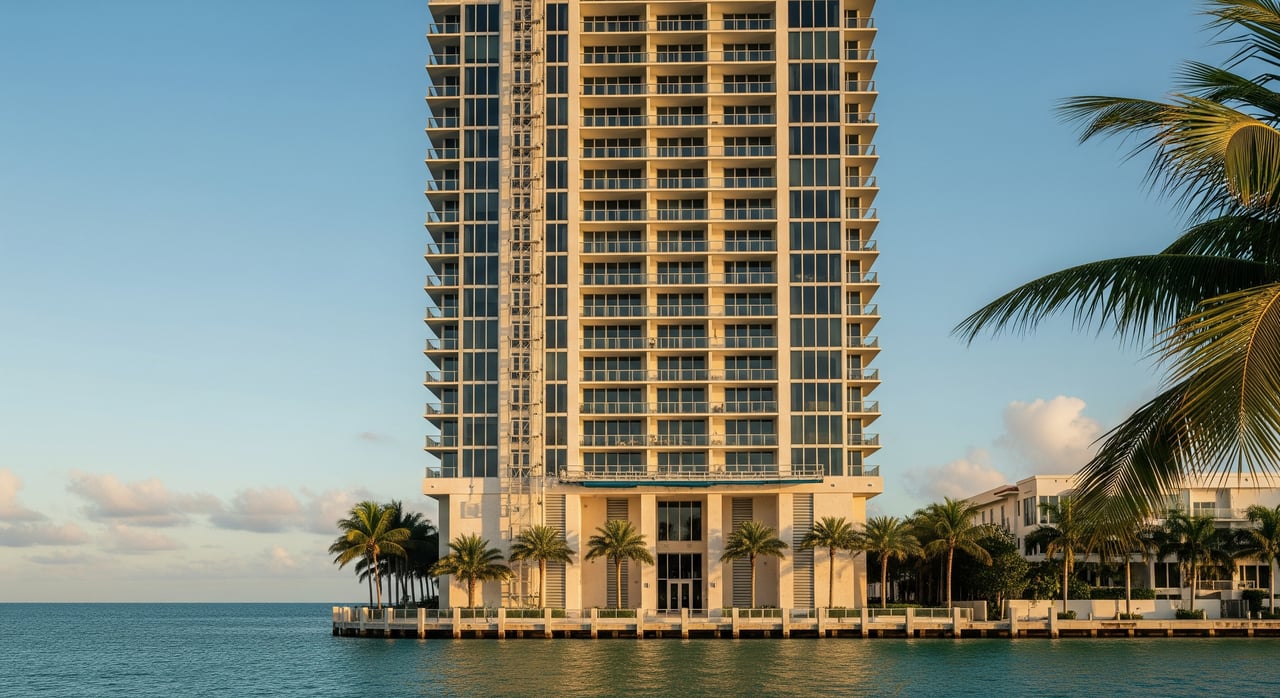
Miami Condo Milestone Inspection and SIRS Guide
November 21, 2025
November 21, 2025
What if the condo you love in Miami has an upcoming structural inspection or a reserve study that could change your budget? You are not alone. Many buyers and owners are navigating Florida’s milestone inspections and Structural Integrity Reserve Studies, and it can feel confusing at first. In this guide, you will learn what each report covers, how they affect financing and monthly costs, and exactly which documents to review before you buy. Let’s dive in.
Milestone inspections are safety-focused reviews for condo and co-op buildings that are three or more stories tall. The goal is to identify structural deterioration, water intrusion, and building envelope issues that could threaten safety.
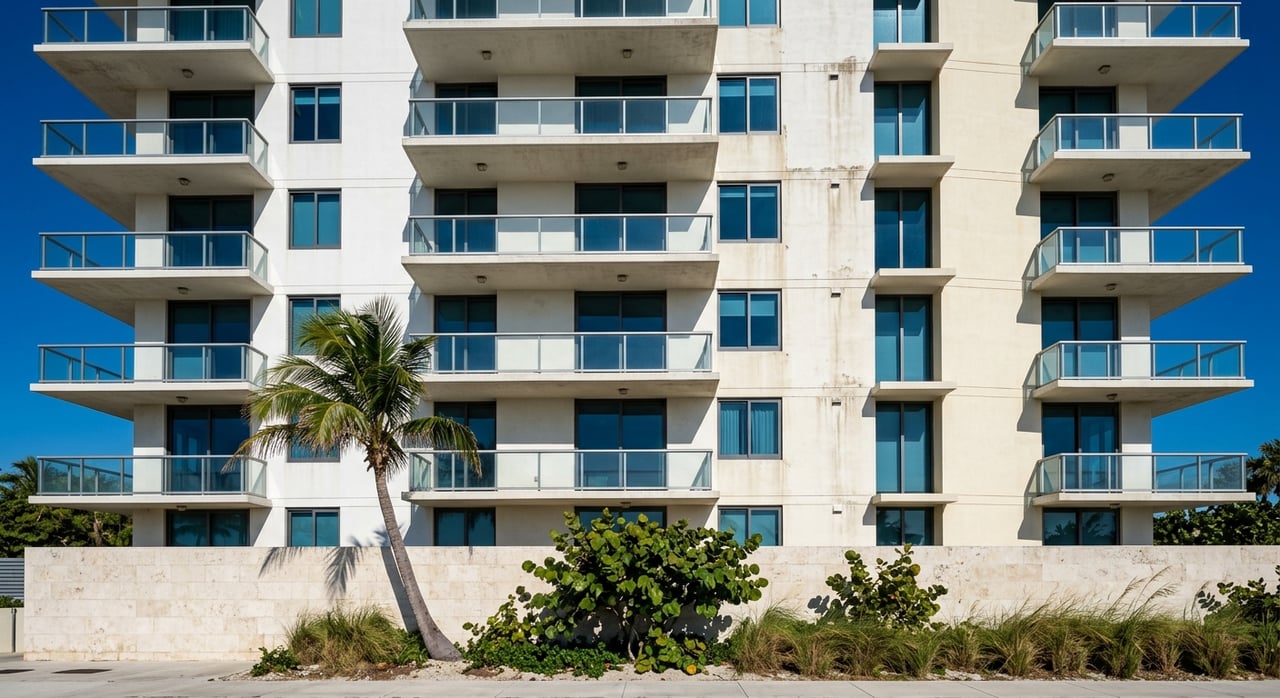
A licensed structural engineer typically leads the work. The scope often includes a visual survey of columns, beams, slabs, balconies, façades, parking areas, roofs, and points where water can get in. If the engineer sees potential concerns, they may perform limited in-depth testing.
Florida’s law uses age-based triggers for the first inspection, with re-inspections on a set schedule afterward. In practice, many coastal buildings face earlier deadlines. A common pattern is an initial milestone inspection around 30 years for buildings near the coast and about 40 years for others. Always verify your building’s exact trigger and timing with local records.
A Structural Integrity Reserve Study is forward-looking. It identifies structural and life-safety components that will need repair or replacement over time, estimates probable costs, and recommends how the association should fund the work.
A SIRS can include low, medium, and high cost scenarios for major items and a funding plan for reserves, assessments, or loans. It is not the same as a full financial reserve study, though both can work together.
Boards must share results with owners and follow local submission requirements. If a report finds significant deficiencies, local building officials can require repairs and set timelines.
Miami-Dade had recertification rules before the statewide updates, including a 40-year recertification program for many multi-story buildings. Those local practices still matter today. In Miami-Dade, a building may have both state milestone inspection obligations and county recertification duties.
Reports are submitted to local building officials, who enforce compliance. They can require corrective action or, in severe cases, occupancy limits until repairs are complete.
Associations order and pay for the inspections and SIRS, but owners ultimately fund repairs. Costs are covered through existing reserves, special assessments, higher monthly dues, or association loans.
Typical outcomes after a SIRS:
Exact costs vary by building size, condition, and scope. Do not rely on generic figures. Use your building’s SIRS and any contractor estimates to plan.
When you buy a condo in Miami, inspection reports and a SIRS are often part of your due diligence package. You should request them before you commit.
Lenders look closely at buildings with unresolved structural deficiencies, low reserves, or large planned assessments. Government-backed loan programs also consider project eligibility criteria tied to safety, reserves, and assessment levels. Large unresolved issues can affect your loan approval or add conditions.
Insurance can be impacted, too. If a SIRS highlights systemic water intrusion or corrosion, the association’s property insurance may see higher premiums or changes in coverage.
Large structural projects can take months or even years. Expect staging, scaffolding, and occasional access limits to certain amenities or areas. Associations plan schedules, coordinate unit access, and manage relocation logistics for short windows when needed. These practical factors can affect quality of life and project cost.
Before you make an offer, request these items from the association or listing side:
Reviewing these documents early helps you compare buildings on more than price and finishes. It also lets you confirm the true monthly cost of ownership.
You can estimate your share of a future special assessment with a simple approach:
Examples:
This quick math helps you compare options and negotiate.
Watch for these red flags:
Negotiation ideas when reports show big projects:
Confirm the building’s specific inspection timeline and status with local records. Check for:
When needed, consult licensed professionals for engineering, legal, or financial guidance.
If you are comparing two or three Miami condos and struggling to weigh inspection results, reserve balances, and future assessments, you are not alone. A local, bilingual advisor can help you source documents, interpret what matters for financing, and structure a clean offer that protects your goals.
If you want straightforward guidance on Miami and Miami-Dade condos, connect with Maximiliano Ricca. You will get responsive, concierge-level support in English, Spanish, or Italian, plus clear next steps tailored to your budget and timeline.




Get assistance in determining current property value, crafting a competitive offer, writing and negotiating a contract, and much more. Contact me today.