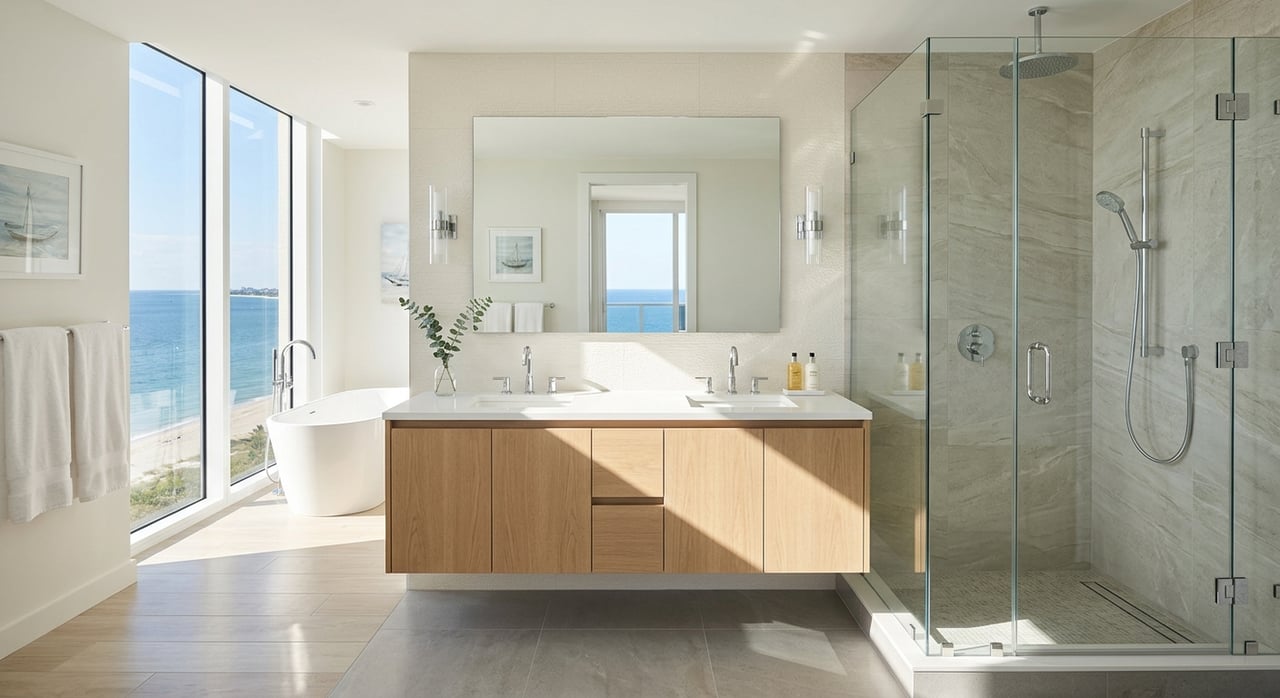
Sunny Isles Beach Pre‑Construction Vs Resale Condos
May 14, 2026
May 14, 2026
If you are deciding between a brand-new condo and an existing one in Sunny Isles Beach, you are not just choosing a home. You are choosing a timeline, a risk profile, and a style of ownership. In a market with deep condo inventory, luxury new development, and building-by-building differences in fees and rental rules, the right answer depends on how you plan to use the property and how much uncertainty you are comfortable taking on. Let’s dive in.
Sunny Isles Beach gives you more than one type of condo market. As of April 2026, Realtor.com identified the city as a buyer’s market, with about 1,300 homes for sale, a median listing price of $764,500, a 94% sale-to-list ratio, and 116 median days on market. Redfin also showed 1,061 condos for sale with a median listing price of $768,000.
That matters because you are not comparing pre-construction and resale in a limited inventory environment. You are comparing two very different paths in a market that already offers broad choice, from more accessible condo inventory to ultra-luxury oceanfront residences. Miami Realtors also reported $1.1 billion in Sunny Isles Beach sales volume in 2025, with a median condo and townhome sale price of $741,250.
Another local factor is the buyer profile. Miami Realtors reported that 75% of closed sales in South Florida vacation-home markets were all-cash. In practical terms, that means liquidity, carrying costs, and exit strategy often matter just as much as the sticker price.
Pre-construction usually appeals to buyers who want something new, modern, and highly tailored. In Sunny Isles Beach, that can mean access to branded towers, new amenity packages, and the ability to choose from layouts or finish selections earlier in the development cycle.
For example, Bentley Residences has stated a scheduled 2027 completion and 216 residences, with materials describing customization options for penthouses. The St. Regis Residences, Sunny Isles Beach has also promoted a large oceanfront project with private beach amenities, Butler Service, and more than 70,000 square feet of amenities. For some buyers, that level of new-product appeal is the main reason to choose pre-construction.
If you value design control and are comfortable waiting for delivery, pre-construction can be a strong fit. This is often true for end users planning ahead and for international buyers who are comfortable buying into a future building rather than an already operating one.
One of the biggest differences is how your money is handled before closing. Under Florida law, reservation deposits must be held in escrow and can be refunded in full on written request before a purchase contract is signed. After a contract is executed, deposit treatment changes and depends on both Florida condo law and the specific purchase agreement.
Florida law generally provides that deposits above 10% of the purchase price are held in special escrow, and a contract may allow the developer to withdraw excess funds once construction begins for actual construction costs. That is why pre-construction payment plans are not one-size-fits-all. They are driven by the contract and the development.
The biggest tradeoff with pre-construction is uncertainty. You may lock in a unit you love, but you are also accepting delivery risk, changing timelines, and operating cost estimates that may shift before closing.
Florida law states that budgets in developer materials are estimates only. If the closing happens more than 12 months after the offering circular was filed, the developer must provide a current estimated operating budget at closing. That means your expected HOA costs at reservation may not be the same at delivery.
With pre-construction, the most important documents are the contract and the prospectus. Deposit terms, assignment rights, delay clauses, and the final disclosures usually matter more than the marketing package.
If you are considering this route, you should evaluate the project as a future asset, not just a rendering. In Sunny Isles Beach, where pricing can range widely and buyer expectations are high, understanding exactly what you are buying is essential.
Resale condos are usually the better choice if you want immediacy and more concrete information before closing. You can walk the unit, review the building’s current condition, study actual monthly costs, and compare the listing to recent building history.
In a buyer’s market like Sunny Isles Beach, resale can also give you more room to negotiate. That may include price adjustments, seller credits, or better terms depending on the building, the seller’s motivation, and how long the unit has been on the market.
If certainty matters more to you than customization, resale may be the more comfortable path. You are buying a known property in a known building, not waiting for one to be delivered.
For a resale condo, a nondeveloper seller must provide current copies of important building documents. These include the declaration, bylaws, rules, management and maintenance contracts, and the estimated operating budget. When applicable, buyers must also receive the milestone inspection summary, structural integrity reserve study, and turnover inspection report.
Florida law also gives resale buyers a 15-day cancellation right after the required documents are delivered. That review window can be valuable if you want time to study the building’s finances, rules, and inspection-related obligations.
One reason resale analysis is so building-specific in Sunny Isles Beach is that HOA costs and included services vary widely. Current public listings show very different monthly ownership pictures.
For example, one active listing at 210 174th St #811 advertised HOA benefits that include internet, water, TV-cable, and one parking space. Another listing at 17375 E Collins Ave #1108 advertised HOA fees that include electricity, water, cable, and internet. Other active listings showed HOA dues around $1,517 per month or about $3,411 per month.
That spread shows why you cannot judge value by purchase price alone. A lower-priced condo with higher monthly carrying costs may not be more affordable in practice.
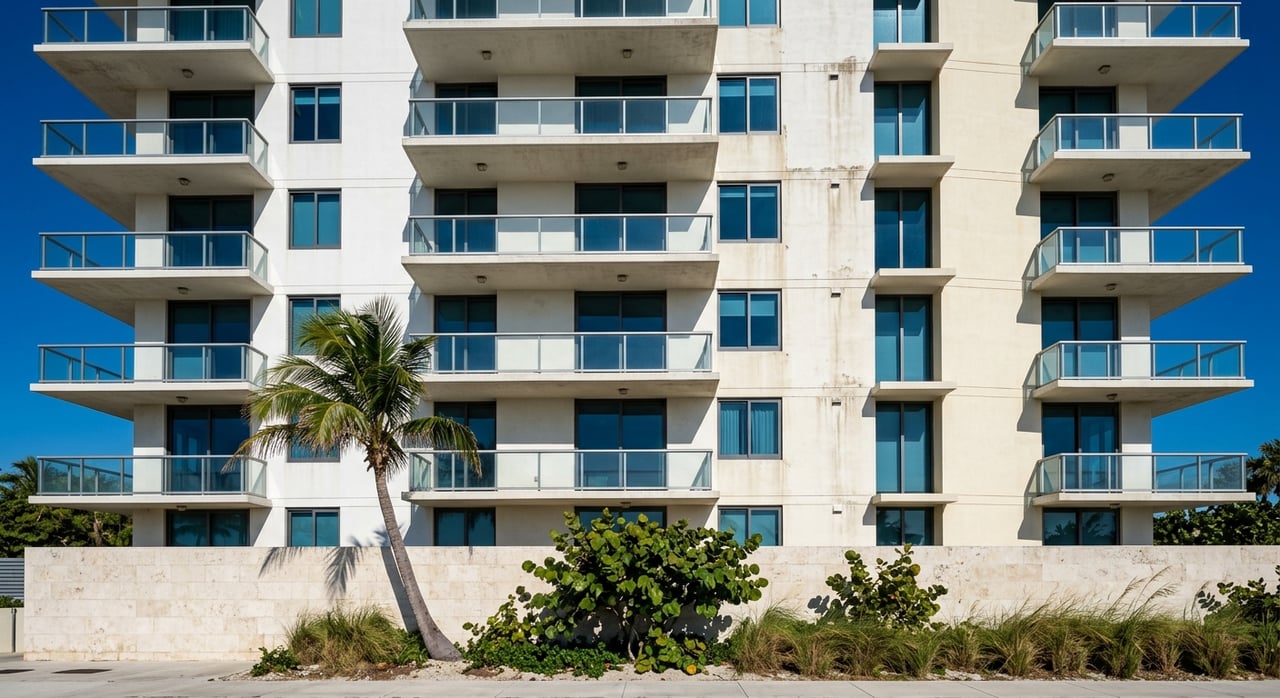
In Sunny Isles Beach, older buildings deserve careful review because of Florida’s post-Surfside inspection and reserve framework. Milestone inspections are generally due at 30 years, or at 25 years if local enforcement determines that salt-water proximity justifies the earlier deadline.
Associations that must obtain a structural integrity reserve study generally cannot simply vote to provide no reserves or less than required. Associations may fund reserve items through regular assessments, special assessments, lines of credit, or loans. For you as a buyer, that means monthly affordability should always be reviewed together with reserve obligations and any potential assessment exposure.
Before you commit to a resale condo, focus on the building as much as the unit. Key items to review include:
This is where resale can either feel safer or become more complex. You have more facts upfront, but you also need to read them carefully.
If you are buying for part-time use or investment, rental rules may decide the deal for you. In Sunny Isles Beach, current public listings show that some buildings allow only longer leases, while others allow shorter rental periods or operate more like condo-hotel programs.
That means your exit strategy is not just about market value. It is also about what the association allows. A condo that looks attractive on price may not fit your plan if the leasing rules are more restrictive than you expected.
| Factor | Pre-Construction | Resale |
|---|---|---|
| Move-in timing | Future delivery | Usually immediate or near-term |
| Design choices | Often greater early on | Limited to current condition |
| Cost certainty | Less certain before closing | More visible before closing |
| Building history | Limited operating history | Existing history to review |
| Deposit structure | Contract-driven staged deposits | Traditional resale transaction structure |
| Due diligence focus | Contract, prospectus, delivery terms | Budget, inspections, rules, reserves |
| Rental analysis | Based on governing documents and project structure | Based on current association rules |
If you want the newest product, care about brand positioning, and can wait for delivery, pre-construction may be the better match. This route often works well for buyers who are planning ahead and comfortable evaluating a future building, a staged deposit schedule, and estimated carrying costs.
If you want a clearer financial picture, faster use, and a chance to compare real building data before you close, resale may be the stronger option. In today’s Sunny Isles Beach market, the depth of available condo inventory can make resale especially appealing for buyers who want leverage and visibility.
For investors, the most important filters are usually rental rules, reserve exposure, and how much cash you are willing to tie up before closing. In a market shaped by lifestyle buyers and a high share of cash purchases, smart underwriting matters.
The best decision is rarely just “new versus old.” It is about matching the property type to your timeline, your risk tolerance, and your intended use. If you want clear guidance on Sunny Isles Beach condos, from pre-construction opportunities to resale due diligence, Maximiliano Ricca can help you evaluate the options with a practical, local, and concierge-level approach.



Get assistance in determining current property value, crafting a competitive offer, writing and negotiating a contract, and much more. Contact me today.