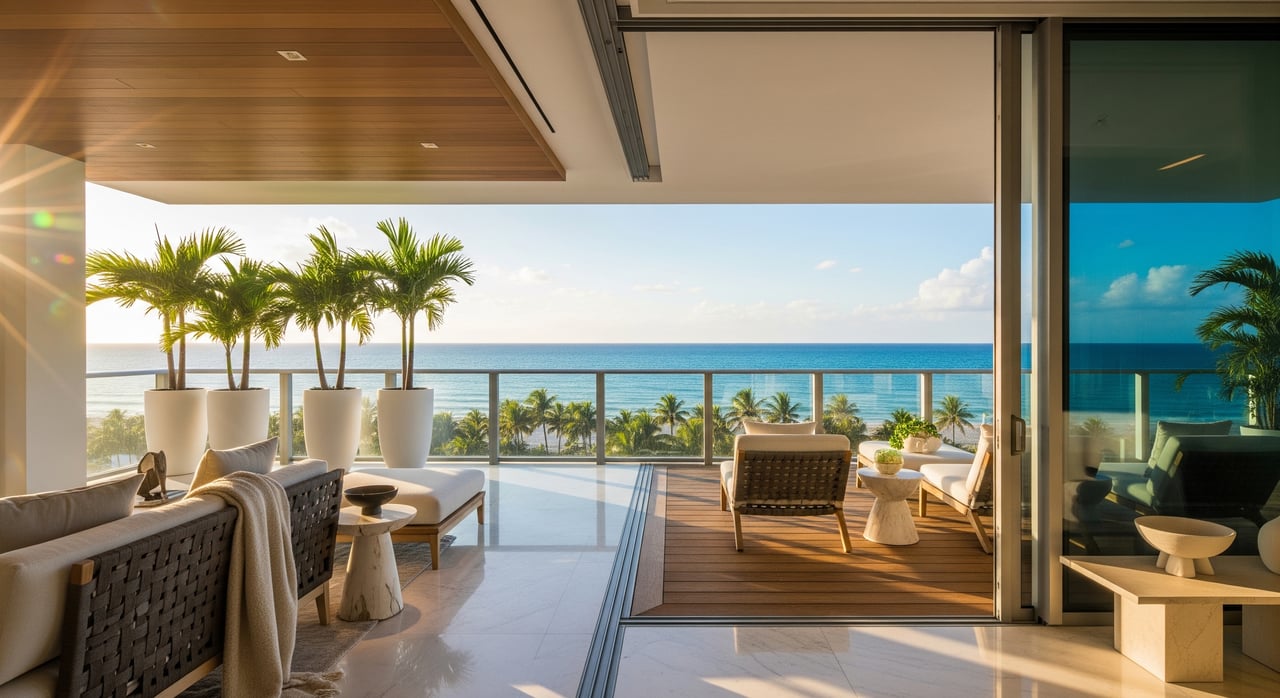
Your Guide to the Hollywood Beach Condo Lifestyle
February 5, 2026
February 5, 2026
Imagine stepping out of your building and right onto a palm‑lined oceanfront promenade where the sea breeze, sunrise joggers and café patios set the tone for the day. That is the rhythm of Hollywood Beach condo life. If you are picturing easy beach access, year‑round sunshine, and a walkable neighborhood with dining and people‑watching, you are in the right place. In this guide, you will learn what daily life feels like on the Broadwalk, how buildings and amenities vary, the real costs to plan for, and the key documents to review before you buy. Let’s dive in.
Hollywood Beach centers on the Broadwalk, a roughly 2.5‑mile paved promenade along the Atlantic. It is lined with restaurants, bars, bike and paddleboard rentals, and it stays active from morning through sunset. Because beach access is public at multiple points, you enjoy a lively, very walkable scene compared with more private stretches of coast. Many condos are oceanfront or just a block back, so views and breezes are common.
The resident mix is diverse. You will see year‑round locals, retirees, seasonal residents, young professionals, vacationers and second‑home owners. High season runs November through April, when weather is milder and visitor traffic peaks. Hurricane and summer wet season runs June through November, when crowds thin and some businesses adjust hours.
Noise and activity shift by location. Condos right on the Broadwalk or adjacent to busy restaurant blocks will feel more energy, especially on winter weekends. One or two blocks inland can feel quieter, while still keeping you close to the sand.
Most buildings include pools, fitness rooms, elevators, assigned parking, security or a doorman, and on‑site management or landscaping. Oceanfront properties may offer beach equipment storage, private cabana areas or beach service arrangements. HOA dues cover common area upkeep, master insurance for the building shell, reserves and management. Expect wide variation in fees based on age, size, and amenity level. High‑amenity coastal towers typically have higher dues.
Hollywood Beach is highly walkable for shorefront errands and dining. Bikes and scooters are popular for short trips. Fort Lauderdale–Hollywood International Airport serves the area, and you can drive to Fort Lauderdale or Miami with typical South Florida traffic patterns in mind. Public transit options exist for local and regional connections, though many residents rely on a car for grocery runs and broader shopping.
Parking policies vary by building. Some offer assigned covered parking, others have surface lots and limited guest spaces. During peak season, public and street parking near the Broadwalk can be tight. Always confirm your assigned space count, guest policies and any fees for additional vehicles.
You will find groceries, pharmacies, medical offices and daily conveniences nearby. For full‑service shopping, specialty services and nightlife, nearby corridors and downtown Fort Lauderdale offer expanded choices. Many residents split errands between beach‑area shops and larger centers a short drive away.
The climate is subtropical and coastal. Winters are mild and sunny. Summers are hot and humid with a pronounced wet season that brings afternoon or evening thunderstorms. Outdoor living is a year‑round draw, but air conditioning is a consistent operating cost. Because the region is in the Atlantic hurricane zone, storm readiness and insurance planning are part of responsible ownership.
Beaches are public and typically monitored by lifeguard services or flagged advisories. Conditions, including rip currents, can change daily. The Broadwalk has rules for bicycles, scooters and permitted vendors, and enforcement can vary by season. When in doubt, follow posted guidance and local instructions.
Prices on Hollywood Beach range widely. Older or smaller units, and inland condos, usually represent the lower end of the market. Oceanfront residences and newer luxury towers command premium pricing. Inventory, seasonality and building‑specific factors such as age, parking, flood status and HOA health all influence value.
HOA dues commonly include:
Confirm whether water, cable and flood insurance are included or billed separately. Watch for red flags such as very low reserves, frequent special assessments, pending litigation or large deferred maintenance.
Coastal condos require attention to insurance. The building carries a master policy for property and wind. You still need a unit policy for interior contents and improvements, and lenders may require flood insurance if the building is in a FEMA high‑risk zone. Flood premiums and availability vary by location and elevation.
Florida homeowners often have hurricane‑specific deductibles that are a percentage of insured value. Coastal buildings can face higher wind insurance and reinsurance costs. Some owners use Citizens Property Insurance or private markets depending on exposure. An insurance broker familiar with Florida coastal condos can give you accurate estimates for your unit type and building.
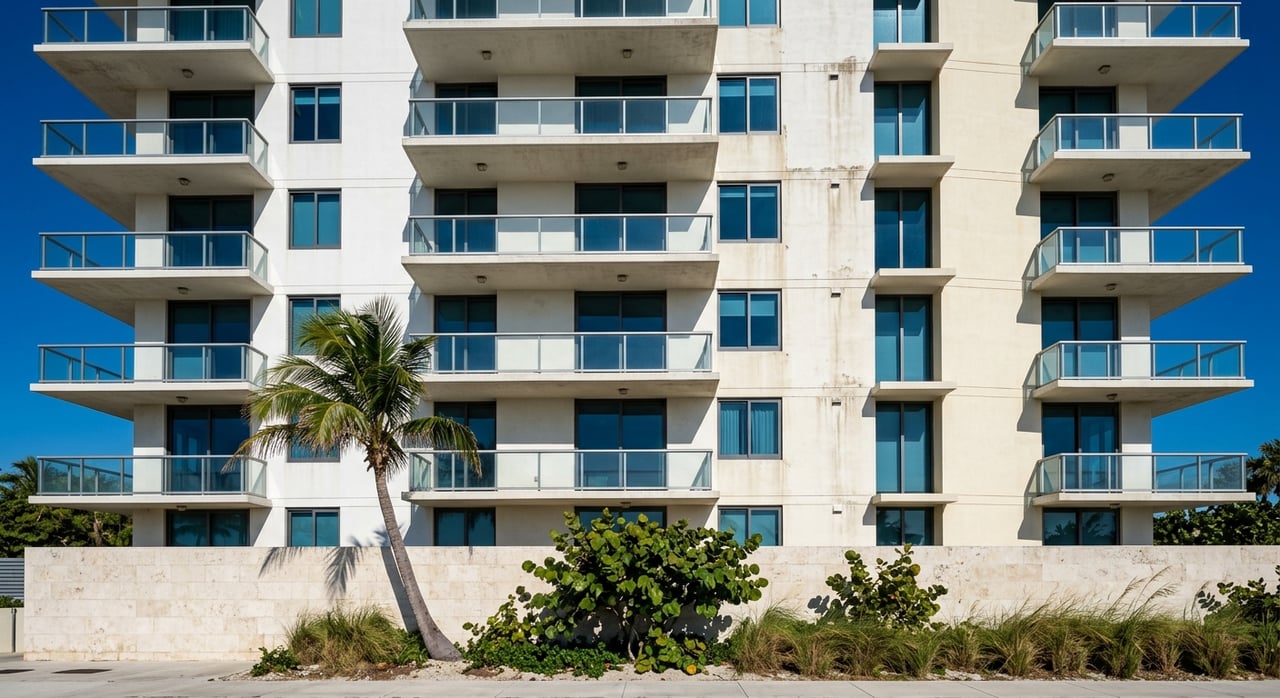
Older buildings, in particular, may face special assessments if reserves are not strong enough to cover major work. Review recent HOA meeting minutes, reserve studies and any notices of planned projects such as façade repairs, parking deck work, roof replacement, elevator upgrades or building systems.
Ask the seller or association for:
Since 2021, there has been heightened scrutiny of older multi‑story condominium structures. Locally, municipalities and associations may require or commission structural assessments, especially as buildings age. Ask about recent engineer reports, roof and parking‑deck inspections, and whether any permits or capital projects are in process or planned.
Short‑term rental rules vary by association and by local regulation. Some condominiums prohibit short stays, others limit frequency or require registration and taxes. If you plan to rent, confirm both the HOA rules and the local city requirements. Pet policies also differ across buildings, including possible size or breed rules. Get the official policy in writing before you commit.
Confirm how many assigned spaces come with the unit and where they are located. Review guest parking availability and any fees or time limits, especially during high season. Ask about storage options for bikes and beach gear, as well as elevator reliability and beach access routes for residents with mobility needs.
Determine the building’s FEMA flood zone and elevation. Flood zone status affects your insurance requirements and lender conditions. Broward County and FEMA resources provide the official designations.
You will likely enjoy Hollywood Beach if you value a walkable, public beachfront and easy access to dining and recreation. Second‑home buyers who want a lock‑and‑leave lifestyle often appreciate buildings with concierge services and on‑site management. Investors may find opportunities in properties where rental rules align with their plans, once HOA and local regulations are confirmed.
If you prefer more privacy or quieter surroundings, consider units a block or two off the Broadwalk or higher‑floor residences set back from busy corners. If you are crowd‑sensitive, you might plan extended stays outside peak months. Whatever your lifestyle, there is a building type and location that can fit your priorities.
Buying a coastal condo involves more than choosing a view. You are balancing building age and reserves, insurance and flood zone details, seasonality, parking and rental rules. A local, condo‑savvy advisor can help you validate the right building list, interpret HOA documents and estimate true carrying costs so your purchase delivers the lifestyle you want.
If you want responsive, bilingual guidance in English, Spanish or Italian across Hollywood Beach, Hallandale and the northern Miami‑Dade to southern Broward corridor, connect with Maximiliano Ricca. From everyday condos to luxury oceanfront and pre‑construction, you get concierge support for buyer representation, investment strategy and property management. Schedule a consultation when you are ready to take the next step.


Get assistance in determining current property value, crafting a competitive offer, writing and negotiating a contract, and much more. Contact me today.