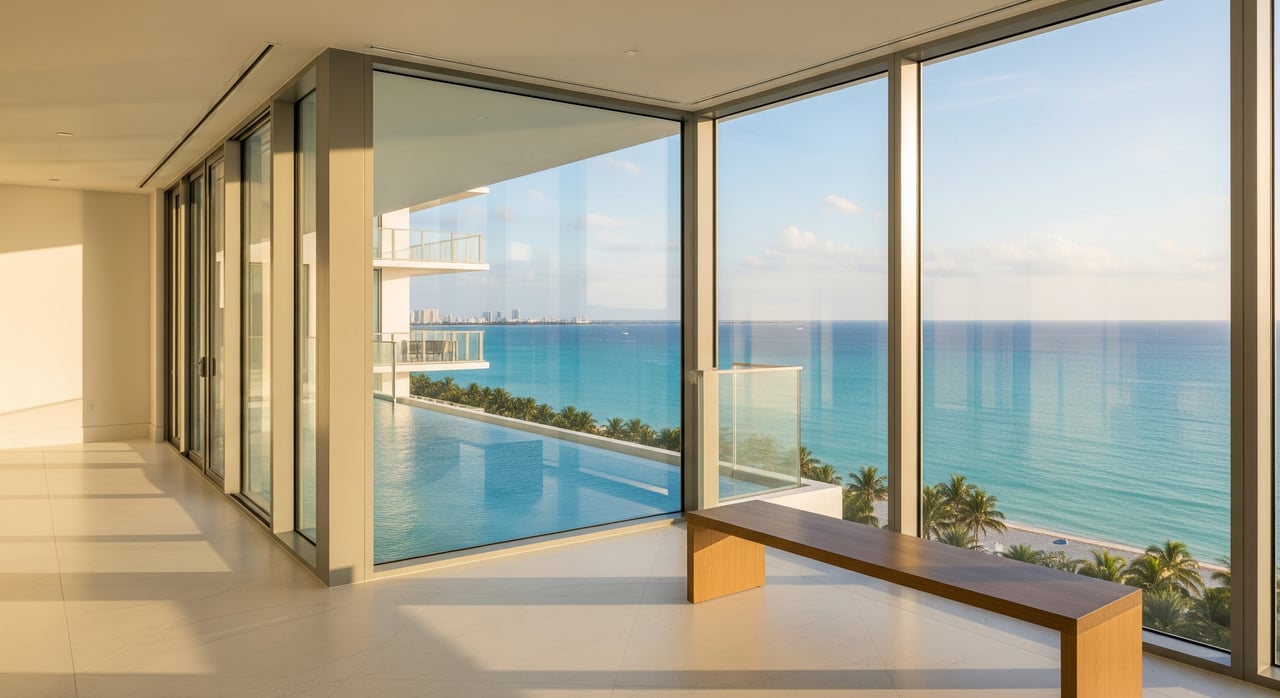
Love the idea of stepping onto your terrace, checking wind and tide, and then walking down to your slip for a sunset run on Biscayne Bay? If you are shopping for a waterfront condo in Bay Harbor Islands, you have great options, but the details matter. Boat slips, flood and insurance, association reserves, and view orientation can change both your lifestyle and your long-term costs. This guide gives you a simple roadmap to compare buildings and units with confidence. Let’s dive in.
Why Bay Harbor Islands
Bay Harbor Islands sits on two small islands with canals and direct Biscayne Bay exposure. The town acknowledges its floodplain setting and provides residents with flood maps, elevation‑certificate access, and flood‑safety resources. You can use the town’s flood map information services and flood protection pages to plan early and estimate insurance needs:
Because the condo market here is small, a few luxury closings can move the numbers. Public snapshots in Q1 and June 2025 showed median condo prices around the low‑to‑mid six figures, roughly $630,000 to $650,000, with variability due to low transaction counts. See the Q1 2025 and June 2025 reports for context:
Bottom line: focus on individual buildings and value drivers rather than chasing a headline median.
Condo types and views
Building styles you’ll see
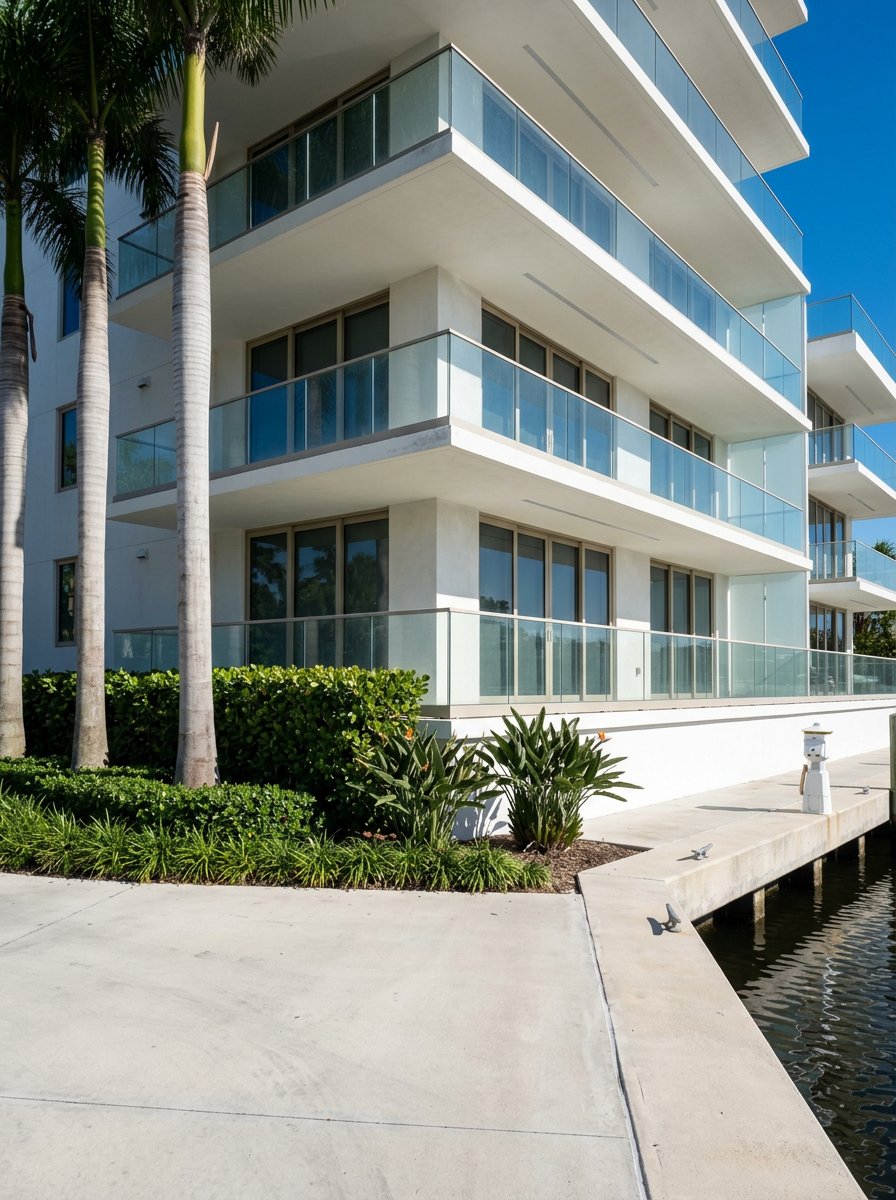
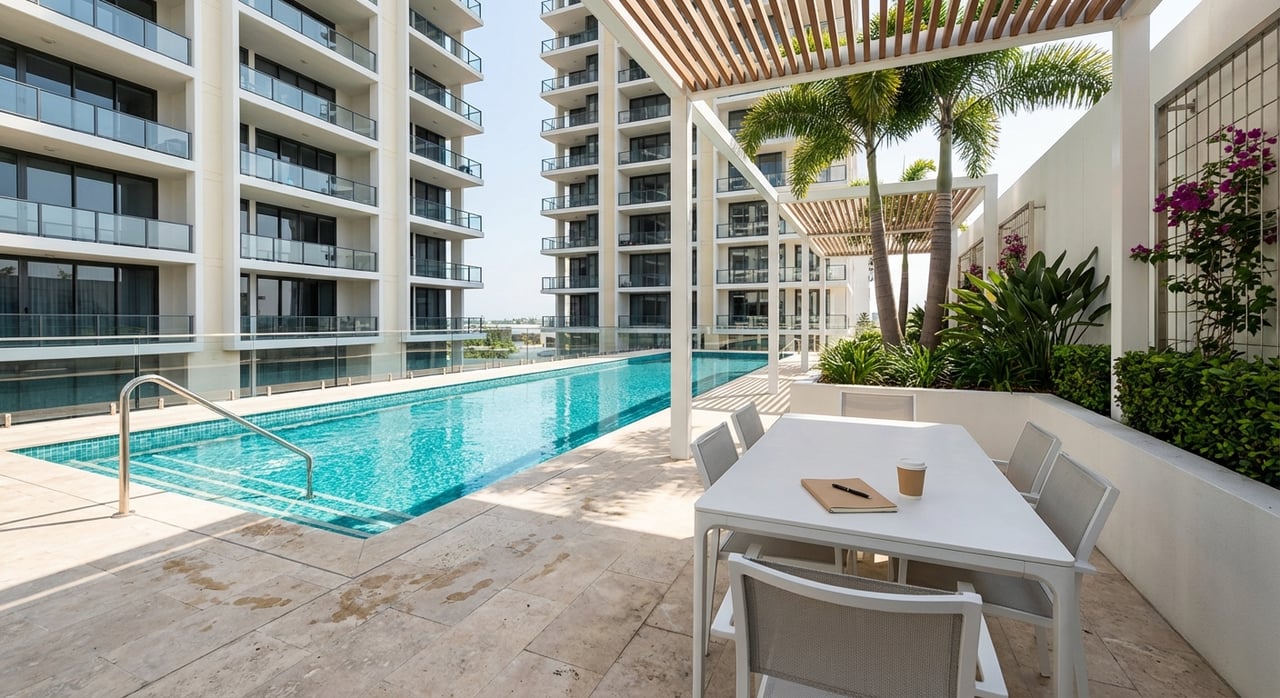
Expect a mix of boutique bayfront mid‑ and low‑rises, newer luxury mid‑rises with modern amenities, and a few townhouse‑style waterfront options. Many boutique buildings emphasize larger floor plans with water views. Older mid‑century buildings may offer smaller footprints and different funding approaches for common areas. Always confirm unit counts, year built, amenities, and slip availability in the building documentation and MLS.
Floor plans and orientation terms
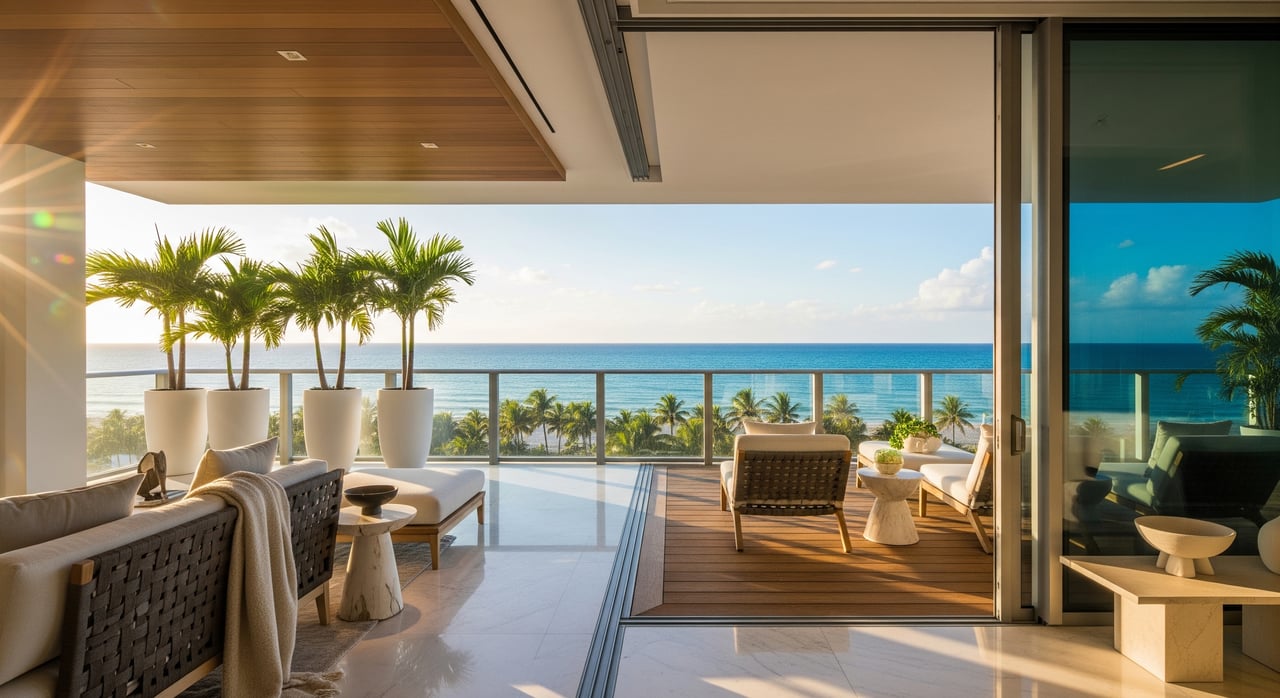
You will often see the term “flow‑through” to describe units with windows or terraces on two sides. These homes provide cross‑ventilation and sunrise/sunset outlooks and often price above single‑aspect units. Listings may also include a field like “Front Faces: East/West,” plus the floor number. These details help you infer bay, canal, skyline, or street exposure. Always verify with the floor plan and a satellite view to confirm the exact stack or line.
Boat‑friendly features to target
If boating is a priority, pay close attention to how slip rights are described:
- Deeded private slip: Conveys as real property or a limited common element assigned to the unit.
- Assigned or complimentary slips: Managed by the association, often with rules or a waitlist.
- On‑site private marina: Some newer boutique buildings include a limited number of resident slips.
Confirm the slip length and beam limits, lift permissions, and whether rights transfer on resale. Upgrades or new docks can require local, state, and federal permits, so do not assume changes are easy or quick. Review the permitting framework and recorded rights early:
Association rules and required documents
What Florida law requires
Florida’s Condominium Act requires sellers and associations to provide specific documents to buyers, and buyers have limited cancellation rights tied to delivery and review of those items. The condo rider and recent updates expand what you can request, including meeting minutes, insurance declarations, and inspection summaries. Review the statute and chapter context before you sign:
Must‑request documents and what to scan first
Ask for these up front and read them closely:
- Declaration of condominium and amendments. Confirms limited/common elements and any deeded dock rights.
- Articles, bylaws, rules and regulations. Check rental limits, pet policies, parking, dock rules.
- Most recent budget and financials. Look for reserve funding vs. deferred items.
- Most recent reserve study or a statement that none exists.
- Master insurance declarations. Confirm whether the master policy is bare‑walls, walls‑in, or all‑in, and note hurricane/wind deductibles. Associations can pass deductibles via assessments. Understand your loss‑assessment exposure and plan HO‑6 coverage accordingly. See an overview of master policy types and deductibles here: Condo association insurance basics.
- Meeting minutes and special‑assessment notices. Minutes reveal planned projects, reserve shortfalls, and disputes.
For buildings subject to Florida’s milestone inspection program and structural integrity reserve studies (SIRS), associations must provide inspector summaries and the SIRS. Findings can drive upcoming repairs and assessments. Learn how these items affect buyers using these resources:
Rental and pet rules vary by building. Associations can set minimum lease terms and limit short‑term rentals if properly adopted under the governing documents and state law. If rentals or pets matter to you, get the exact rule language, including any waiting periods to lease after purchase. For a plain‑English overview of HOA powers, see this resource: Association powers and limits.
How to read listings and photos
Quick MLS signals to check
- Waterfront orientation: Look for “bayfront,” “canal front,” or “intracoastal access.”
- Dock language: “Deeded dock,” “private slip,” or “marina.” Ask if “dock available” means deeded, assigned, or waitlist only.
- Orientation clues: “Front Faces East/West/North/South,” “flow‑through,” and the floor number. Cross‑check with a floor plan and satellite view.
- HOA fees and assessments: Convert HOA fees to dollars per square foot to compare operating costs across buildings.
Spotting photo and description red flags
Over‑edited or heavily virtual‑staged photos can hide wear or alter finishes. Wide‑angle lenses can make rooms look larger. If photos seem too perfect, request measurements, a floor plan, and a live or in‑person tour. Note any finishes that do not match across rooms and look for exterior shots that conveniently crop out adjacent buildings.
Use public records to verify claims
These free searches help you confirm key facts in minutes:
- Property Appraiser: Verify legal description, square footage, year built, folio, assessed value, and sale history. Start here: Miami‑Dade Property Appraiser
- Official Records: Check deeds, dock easements, covenants, liens, and restrictions that affect dock transferability. Search here: Miami‑Dade Official Records
- Permits and inspections: Find open permits and final inspections for any visible renovations. Start with this index: Miami‑Dade permit search
- Flood maps and elevation: Confirm FEMA flood zone and any elevation certificate to estimate insurance needs. See: Miami‑Dade flood maps
- Association documents: Use your contract rider to request the resale packet, insurance declarations, minutes, and any milestone/SIRS summaries. Statutory framework: §718.503, Florida Statutes
Verify renovation history
Cross‑check listing claims and photos against permit records and the Property Appraiser’s improvement notes. Confirm final inspections or certificates of completion. Unpermitted work or open permits can delay closing or impact insurance. For a practical overview of local permitting checkpoints, see this guide: Miami permit process highlights.
Dock and marina due diligence
Use this quick checklist when a listing mentions a dock or marina:
- Is the slip deeded to the unit or assigned by the association?
- If assigned, is there a waitlist and is the slot transferable on resale?
- What is the maximum LOA and beam? Are lifts permitted?
- Are there recorded approvals or permits for the structure at the state, county, or federal level?
- What are the insurance requirements and on‑site use rules?
If a listing advertises a private marina or deeded dock, request the recorded instrument or the HOA policy that proves the right and its transferability.
Shortlist and next steps
Apply quick filters before touring
- Do you require an on‑site or deeded slip? If yes, limit your search to buildings that document deeded slips or an on‑site marina and confirm availability in writing.
- Is the building under a milestone inspection or SIRS with known repairs ahead? Ask for the inspector summary and the association’s repair plan. See context here: Contract timing and SIRS
- Are HOA fees and reserves aligned with your budget? Convert HOA fees to dollars per square foot for apples‑to‑apples comparisons.
- What is the association’s master‑policy deductible, and what HO‑6 loss‑assessment coverage will you need? Review the master declarations and speak with a local agent. Reference: Condo association insurance basics
Ask for documents before or at the first showing
Request the most recent resale packet or a written statement of availability. At a minimum, ask for the declaration, bylaws, rules, current budget, latest financials, master insurance declarations, last 12 months of minutes, and any milestone/SIRS summaries. Your contract rider supports these requests and sets timelines. Statute overview: §718.503, Florida Statutes
What to look for at the property
- Dock and seawall: Note construction type, piling condition, seawall alignment, and any visible cracking or spalling. Photograph slip numbers and posted rules.
- In the unit: Look for impact glass, the location of mechanicals and electrical panels relative to grade, and finish quality vs. photos.
- Boating logistics: Consider the run to Broad Causeway or Haulover Inlet, fixed bridge clearances, and tight turns if you plan to keep a larger boat.
Smart contingencies to include in offers
- Title search covering recorded dock rights, easements, and liens. Use: Miami‑Dade Official Records
- Standard home inspection plus a marine contractor inspection of the seawall and docks and an elevation‑certificate review for insurance.
- HOA document review with clear cancellation rights if reserves, assessments, or insurance gaps are unacceptable. Statutory framework: §718.503, Florida Statutes
Red flags that merit a pause
Work with a local advisor
Buying a waterfront condo in Bay Harbor Islands is as much about due diligence as it is about views. When you match the right building, slip access, insurance profile, and association health, you protect your time and capital and enjoy the lifestyle you came for. If you want a clear plan, bilingual communication, and step‑by‑step support from search to closing, connect with Maximiliano Ricca to start a focused shortlist and schedule showings.
FAQs
What makes Bay Harbor Islands unique for waterfront condos?
- Two islands with canals and Biscayne Bay exposure, a small condo market where medians can swing, and town resources for flood maps and elevation certificates.
How do I confirm a condo’s flood and insurance risk?
- Check FEMA flood maps and request the property’s elevation certificate, then review the association’s master insurance declarations to understand deductibles and coverage.
What is the difference between a deeded slip and an assigned slip?
- A deeded slip conveys with the unit or as a recorded limited common element, while an assigned slip is managed by the HOA and may involve rules, waitlists, or non‑transferable rights.
What are milestone inspections and SIRS, and why do they matter?
- They are building safety and reserve studies that identify structural needs and required funding; results can drive upcoming projects and special assessments.
How can I verify a unit’s stated view or “flow‑through” design?
- Cross‑check the floor plan, look up the building’s stack or line, and confirm the orientation with satellite imagery to ensure the exposure matches your goals.
Which association documents should I review before waiving contingencies?
- The declaration, bylaws, rules, most recent budget and financials, master insurance declarations, the last 12 months of minutes, and any milestone/SIRS summaries.